
The Role of Luck in Gambling
Luck is often viewed as a significant factor in gambling, with many players believing that their success can be heavily influenced by chance. At the heart of every card dealt or roll of the dice lies an element of unpredictability that can sway outcomes drastically. While strategies and techniques can enhance a player’s skill, the random nature of gaming inherently means that luck plays a crucial role. For example, in games like poker, a player’s hand can change with every card drawn, illustrating the fine line between skill and fortune. Many enthusiasts also explore the variety of options available at the best online casino to experience different games and outcomes, which further highlights the unpredictability of gambling. The randomness intrinsic to these games underscores the importance of luck, as even the most experienced players can find themselves at the mercy of chance.
Moreover, the psychological effects of luck cannot be underestimated. Gamblers often experience a rush of adrenaline when they feel luck is on their side, which can impact their betting behavior and decision-making. This phenomenon, often referred to as “hot streaks,” can lead players to take bolder risks, believing that their fortunate circumstances will persist. Conversely, when luck seems to evade them, it can result in frustration and less rational choices, demonstrating how crucial luck can be to a gambling experience. The emotional rollercoaster that accompanies the perception of luck can significantly affect players’ strategies and overall enjoyment.
It is essential to recognize that while luck is a significant influencer, it cannot be relied upon entirely. Many successful players often employ strategies that blend knowledge with an understanding of probability. For instance, in blackjack, knowing when to hit or stand based on the dealer’s visible card can often lead to more consistent wins. However, even the most seasoned players cannot escape the randomness of luck entirely, which ultimately shapes their success at the gaming table. This blend of strategy and luck creates a complex dynamic that every player must navigate.
Skill Versus Luck: Finding the Balance
The interplay between skill and luck is a topic of much debate among gambling enthusiasts. Some believe that skill alone can determine long-term success, especially in games that require strategy and critical thinking. For instance, in poker, the ability to read opponents and calculate odds can significantly improve a player’s chances of winning. Nevertheless, even the most skilled players encounter scenarios where luck can dramatically alter the outcome, such as being dealt an unexpected hand or facing an opponent who gets a lucky break. This unpredictability is what makes gambling both exciting and challenging.
Additionally, the balance between skill and luck can vary significantly across different games. In games like roulette, luck dominates the outcome, as players have no control over where the ball lands. In contrast, in strategy-based games like blackjack or poker, players can mitigate luck’s impact through learned techniques and experience. The challenge lies in understanding when skill can lead to success and when luck will take the reins, creating an ongoing challenge for gamblers. This constant negotiation between relying on skill and the randomness of luck defines the gambling experience.
Ultimately, striking a balance between relying on skill and acknowledging the role of luck is crucial for any gambler aiming for long-term success. Players may benefit from developing their skills while remaining aware of the luck factor, thus preparing themselves to navigate both favorable and unfavorable outcomes. This blend of awareness can lead to improved strategies that harness both elements effectively, offering a more comprehensive approach to gambling at the gaming table. Such balance can not only enhance enjoyment but also maximize potential returns.
The Psychological Impact of Luck on Players
The psychological aspect of luck can significantly influence a player’s experience at the gaming table. Players often develop superstitions or rituals that they believe will attract good fortune, showcasing how deeply luck is intertwined with the gambling experience. From wearing lucky clothing to avoiding certain numbers, these beliefs affect how players perceive their chances and can impact their overall enjoyment. Embracing such rituals often stems from the human desire to exert control over uncontrollable circumstances associated with luck, reflecting a common psychological coping mechanism.
Interestingly, the way players react to lucky versus unlucky streaks can also affect their future gameplay. A player who experiences a string of wins may feel emboldened and take greater risks, potentially leading to a significant loss if luck shifts. Conversely, a player on a losing streak might play too conservatively, missing out on opportunities for potential wins. This psychological fluctuation is vital to understanding how luck affects not only outcomes but also a player’s approach and mindset throughout their gaming experience. The emotional investment in these outcomes can lead to patterns of behavior that significantly impact gambling success.
Understanding the psychological influence of luck is essential for any serious player. Developing awareness of how luck can distort perceptions or affect decision-making can help players mitigate negative consequences and harness positive streaks more effectively. Recognizing these psychological patterns enables players to maintain a more balanced approach to gambling, thus enhancing their overall experience and improving their potential for success at the gaming table. This awareness allows players to better manage their emotions and make more rational decisions.
The Impact of Luck on Game Design
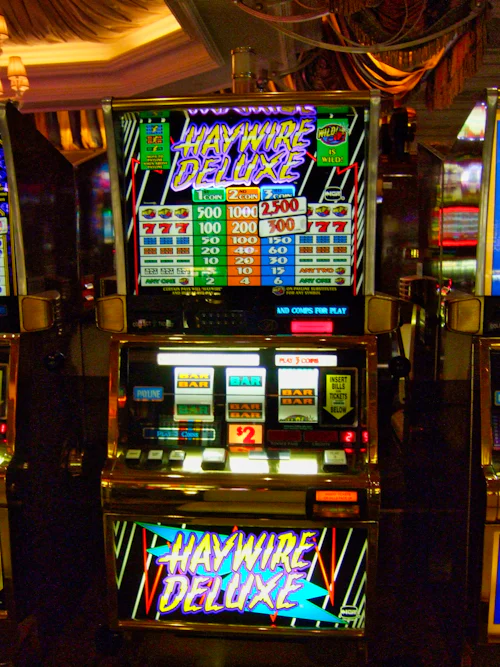
Game designers often incorporate elements of luck intentionally to enhance player engagement and excitement. By integrating randomization into gameplay, designers create an atmosphere of unpredictability that keeps players on the edge of their seats. This sense of chance not only contributes to the thrill of gambling but also helps maintain player interest over time. For example, slot machines rely heavily on chance, with players not knowing the outcome until the final spin, thereby amplifying the allure of winning and creating an addictive experience that draws in players repeatedly.

Moreover, the use of luck in games can create a more level playing field, where novices and experienced players alike can enjoy the gaming experience. By allowing luck to have a prominent role, designers ensure that a casual player can potentially win against a seasoned gambler purely based on chance, which can be highly appealing. This aspect draws in new players who may be intimidated by skill-based games, thus expanding the audience for various gaming options. It creates a more inclusive environment where everyone feels they have a chance to succeed.
However, game designers also face the challenge of balancing luck with skill to ensure players feel a sense of agency in their gameplay. If luck becomes the sole factor determining success, players may become dissatisfied and disengaged. As such, many games incorporate mechanics that allow players to apply strategy while still embracing the unpredictable nature of luck. This balance helps maintain both excitement and satisfaction, making for a more fulfilling gaming experience. Designers continually seek innovative ways to blend these elements, enhancing player satisfaction and retention.
Exploring Further Resources for Gamblers
Understanding the dynamics of luck and skill at the gaming table is just the beginning for players seeking to improve their gambling experience. With resources available, players can delve deeper into strategies, psychological insights, and even tips on managing their bankroll effectively. Numerous websites and blogs provide valuable content that caters to a range of gambling interests, helping individuals refine their skills and knowledge further. These resources often include expert analyses, tutorials, and strategies that can elevate a player’s game, making them more competitive and aware.
In addition to articles and tutorials, many platforms offer community forums where players can share experiences, discuss strategies, and support one another in their gambling journeys. Engaging with like-minded individuals can provide new perspectives and innovative ideas, allowing players to cultivate a more comprehensive understanding of luck’s role at the gaming table. Whether a novice or a seasoned veteran, leveraging such resources amplifies the potential for success while navigating the unpredictable world of gambling. This community interaction fosters a sense of belonging and collective learning.
Ultimately, the quest for success at the gaming table is an ongoing journey that requires players to embrace both luck and skill. By exploring various resources and engaging with the gambling community, players can enhance their gaming knowledge and perhaps even tilt the odds more favorably in their direction. Understanding the multifaceted nature of luck can empower players, leading to more informed choices and an enriched gaming experience overall. Continuous learning and adaptation are key to thriving in the dynamic landscape of gaming.