
The Role of Luck in Gambling
Luck plays a pivotal role in the world of gambling; it is often depicted as the key factor determining winners and losers at casinos. When players place their bets, they engage in a game of chance, where the outcome is heavily reliant on unpredictable factors. The essence of casino games, from slots to table games, is rooted in randomness, which can make even the most seasoned players cautious of their strategies. Understanding how luck operates within these games can shed light on the psychology of gambling and the allure it holds for many, especially when considering options like new uk casino fast withdrawal methods that enhance the experience.
For instance, a player might enter a casino feeling optimistic, believing that luck is on their side. This belief can influence their betting behavior and decision-making process. When they experience a winning streak, it reinforces this notion, leading them to continue betting with increased confidence. Conversely, a series of losses can dampen their spirits, showcasing how luck can shape the player experience and ultimately dictate the amount wagered and potentially won. This delicate balance between belief in luck and actual outcomes creates a unique atmosphere within casinos.
Moreover, the random nature of casino games means that luck is not easily quantifiable. Various games offer different odds and payout structures, yet the unpredictability remains constant. For example, while a game like poker involves an element of skill and strategy, a slot machine is purely based on luck. Players are drawn to this thrill of uncertainty, hoping their lucky streak will lead to significant winnings. Ultimately, luck serves as both an exhilarating draw and a frustrating barrier in the pursuit of jackpot victories, emphasizing its complex influence on casino winnings.
The Illusion of Control
Many gamblers fall prey to what is known as the illusion of control, believing that they can influence luck through strategy or rituals. This psychological phenomenon manifests in various forms, such as players choosing specific numbers or making decisions based on previous outcomes. For example, a player might feel that they can improve their chances by changing the timing of their bets or by using certain techniques during a card game. However, despite these beliefs, the inherent randomness of casino games means that no strategy can guarantee success.
This illusion can be particularly powerful in games like roulette or blackjack, where players often develop superstitions or personal rituals that they feel enhance their luck. Whether it’s wearing lucky clothing or following a specific betting pattern, these behaviors can provide players with a sense of confidence and control over their outcomes. However, the reality remains that luck ultimately governs the results, separating the psychological comfort derived from rituals from the unavoidable randomness of the game.
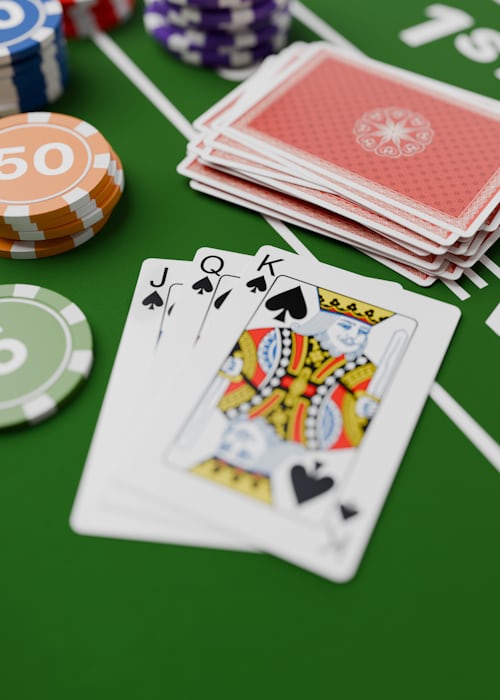
Furthermore, casinos often capitalize on this phenomenon by creating environments conducive to reinforcing these beliefs. Bright lights, enticing sounds, and the presence of other winners can create an atmosphere that makes players feel lucky. This sensory engagement can lead to prolonged gaming sessions, as players become entrenched in the belief that their next big win is just around the corner. Understanding this illusion of control is crucial for gamblers aiming to make informed betting decisions, as it highlights the importance of recognizing the role luck plays in gambling outcomes.
Statistics and Probability: The Other Side of Luck
While luck is a primary factor in determining casino winnings, understanding statistics and probability is essential for players looking to maximize their chances of success. Each casino game is built on a foundation of odds, which can often be analyzed to give players insight into their expected outcomes. For example, in games like blackjack, players can use strategies based on the probabilities of certain cards appearing, which can help guide their decisions and minimize losses.
However, it is crucial to remember that even the best strategies cannot eliminate the role of luck. In theory, a player could use a perfect strategy and still face unfavorable outcomes due to chance. This is where the interplay of luck and skill becomes evident, as players must navigate the unpredictable nature of the game while employing their knowledge of probability. Understanding these dynamics can help gamblers set realistic expectations for their gaming experience.
Moreover, many players overlook the house edge, which represents the advantage that casinos have over players in the long run. This edge varies from game to game, meaning that some games offer better odds for players than others. For instance, games like baccarat tend to have lower house edges compared to slots. By opting for games with better odds, players can enhance their average winnings while still acknowledging that luck remains a fundamental aspect of the experience. As such, a balance between strategy and acceptance of luck is key to navigating the casino landscape.
The Emotional Impact of Luck on Gambling
Luck significantly influences not only financial outcomes but also the emotional experiences that accompany gambling. Players often experience a rush of excitement when they win, and this euphoria can lead to a deep emotional connection with the game. The anticipation and thrill associated with the chance of winning can enhance the overall gambling experience, making it immensely enjoyable for many. However, when luck turns against players and losses accumulate, it can lead to feelings of frustration, disappointment, and even desperation.

These emotional highs and lows can be addictive, contributing to a cycle of chasing losses or prolonged gaming sessions fueled by the hope of a lucky turnaround. This is particularly evident in slot machines, where the bright visuals and sounds can create a euphoric rush when a player hits a jackpot. Conversely, losing streaks can equally foster feelings of hopelessness and despair, showcasing the stark contrast that luck can impose on a player’s mental state during their casino journey.
Furthermore, the emotional impact of luck can influence social interactions among players. Sharing a winning moment can forge a sense of camaraderie with fellow gamblers, creating a community atmosphere within the casino. On the other hand, losses can be isolating, as players may retreat into themselves, reflecting on their misfortune. This emotional rollercoaster not only alters individual experiences but also shapes the overall casino environment, demonstrating the profound effect that luck has in influencing players’ emotional states and interactions.
Your Guide to Understanding Luck in Casinos
For those navigating the fascinating world of casinos, understanding the complexities of luck can enhance their overall experience. It is essential to approach gambling with a balanced mindset, recognizing that while luck significantly influences outcomes, strategy and knowledge of the games can also impact the chances of success. Embracing a clear understanding of odds, probabilities, and the psychological elements at play can empower players to make more informed decisions.
Moreover, players should remain mindful of their emotional well-being while gaming. By acknowledging the potential highs and lows associated with gambling, individuals can better prepare themselves for the unpredictability of luck. Developing a healthy relationship with gaming, where enjoyment and entertainment take precedence over the pursuit of winnings, can lead to a more fulfilling experience.
Ultimately, while luck will always remain a central theme in the casino universe, combining it with knowledge and emotional awareness can enrich one’s gambling journey. As you explore various games, keep in mind the role that luck plays and how it intertwines with the strategies and emotions of these exhilarating games. This comprehensive approach will enable you to appreciate the thrill of chance while maintaining a grounded perspective.